
Employee Spotlight: Cannon Reynolds, AIA
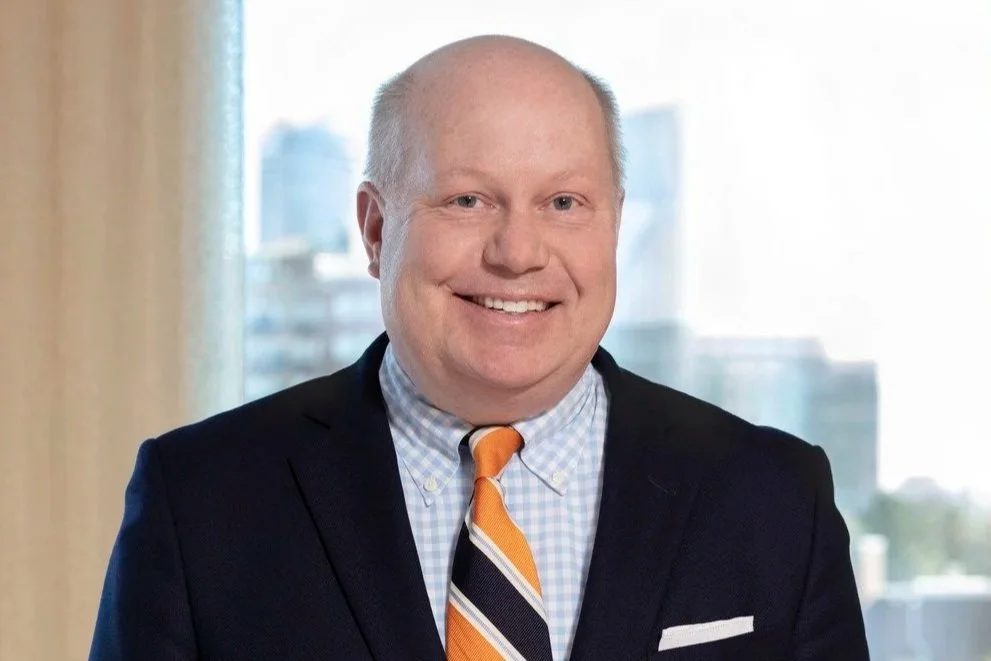
Mountaineer. Architect. Philanthropist. With thirty years of experience, Cannon Reynolds, AIA has built a career shaped by adventure, leadership and a willingness to take on new challenges.
From guiding expeditions out West to helping grow new areas of practice at NBA, Cannon has carried lessons in preparation, risk and relationship-building into the way he approaches projects and people. Today, as Managing Director, he brings that same perspective to leading the firm, mentoring the next generation and giving back to his community.
Read more about his path from mountain guide to Managing Director below.
When did you decide you wanted to be an architect? What was your life like before joining NBA?
I knew early on what I wanted to do in life. My grandfather was a residential architect, and when I was four years old, I told my mom that I was going to be an architect too. As a teenager I spent most of my summers as a carpenter and mason’s assistant, so I was exposed to the practical side of wiring, plumbing, and all the other parts of putting together a building. I loved it. The more I learned, the more I was sure that I wanted to be an architect.
While earning my B.S. and Master of Architecture at Georgia Tech, I interned at a firm in Midtown, which gave me my first real exposure to commercial architecture and construction. At the end of school, my main objective was packing up my jeep and moving to Wyoming. I wasn’t looking for a job in Georgia, but a friend from undergrad convinced me to stay in Atlanta.
After four and a half years in my first job, I felt ready to take the next step in my career. When I came to interview at NBA, I rode up the elevator going “I’m definitely not taking a job here. Definitely not doing it. This is a practice interview.” Then I sat down with Ray Kimsey. He thought I was a great fit for our church, club, and education studio, and I was excited about where the firm was headed. I realized that this job was going to be an incredibly nurturing environment for me to grow. So, I decided to push my move to Wyoming until I got licensed. I started working at NBA in September of 2000.
Why have you stayed with the firm for so many years? How did you transition to leadership?
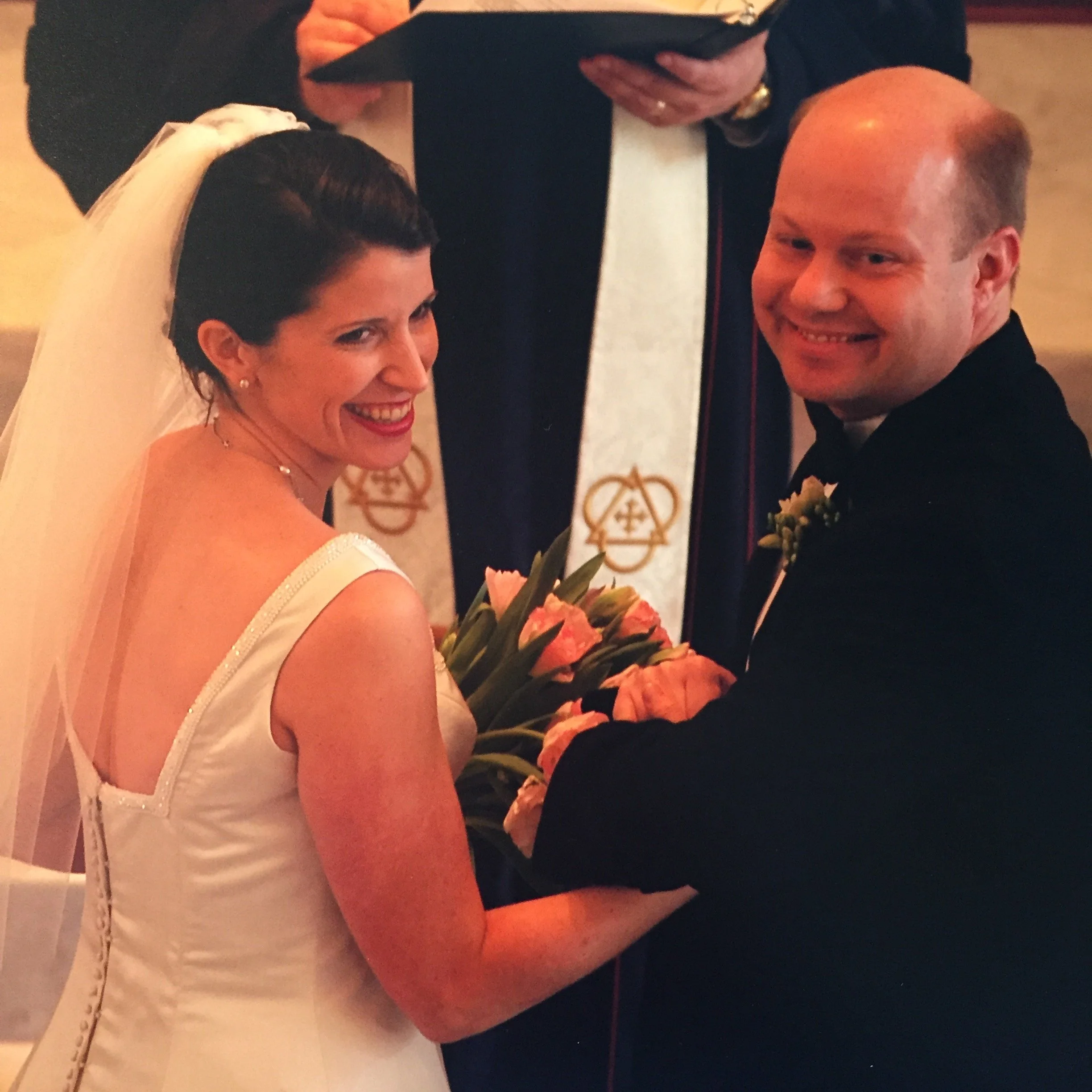
I met my wife, Mary Agnes, right around the time I was getting licensed. At that point, my need to go rock climbing every day was tapering off, and I had a moment of clarity 15,000 feet up on a glacier in Mexico with terrible altitude sickness where I decided that not every vacation needed to involve level 10 intensity and suffering. I decided to stay in Atlanta for good and got married in ’04. In January 2005, my principal-in-charge, Ray Douglas, left the firm. Before that, I wasn’t entirely sure what my future at NBA would be, but Ray’s departure propelled me onto the path of running his studio and keeping it busy. Being fast-tracked for leadership in my mid-thirties was a huge honor.
“I loved the logistics and contingency planning part of climbing mountains, and in many ways, that is what I do here at NBA.”
How has your mountaineering experience influenced your approach to leadership?
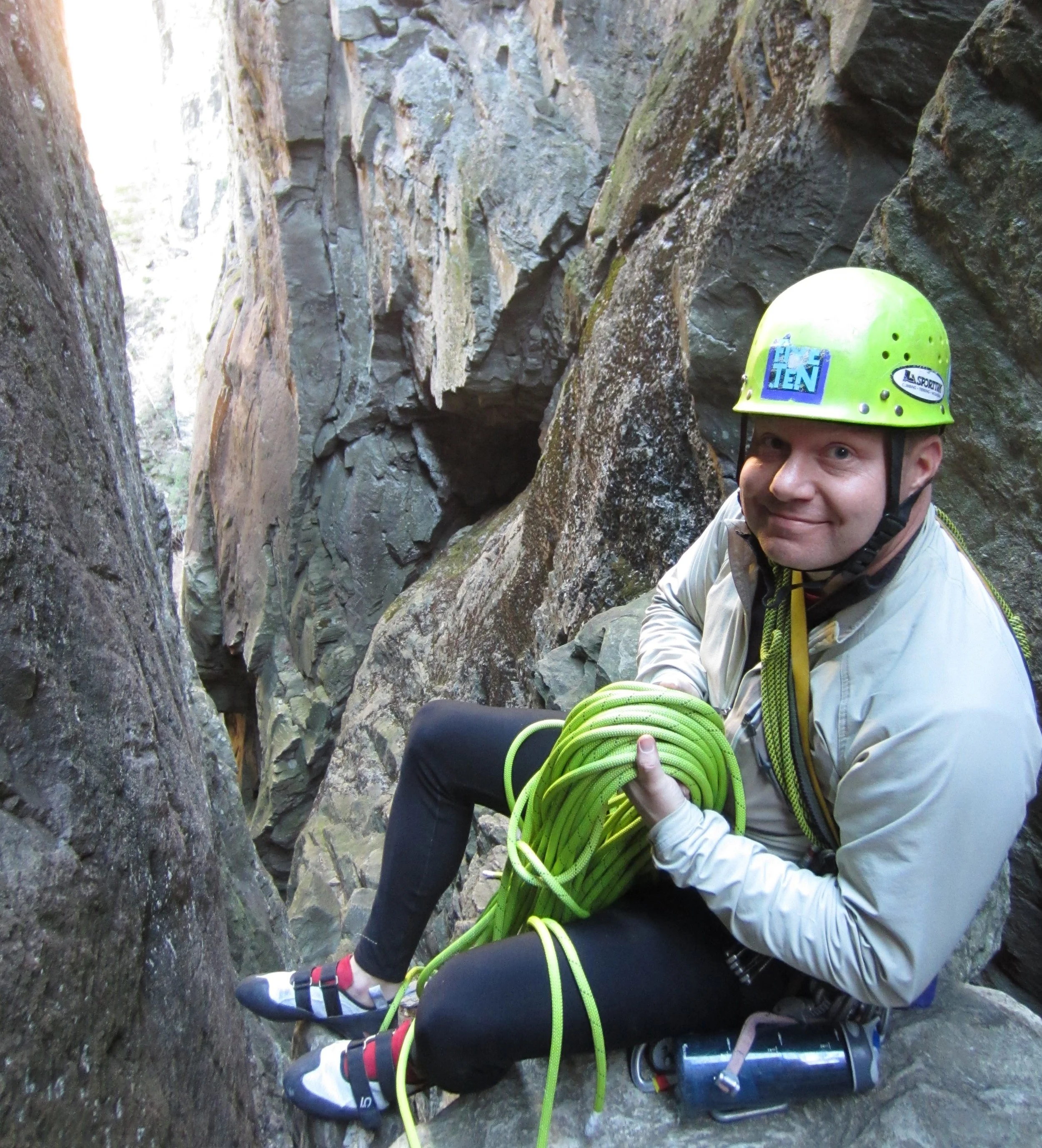
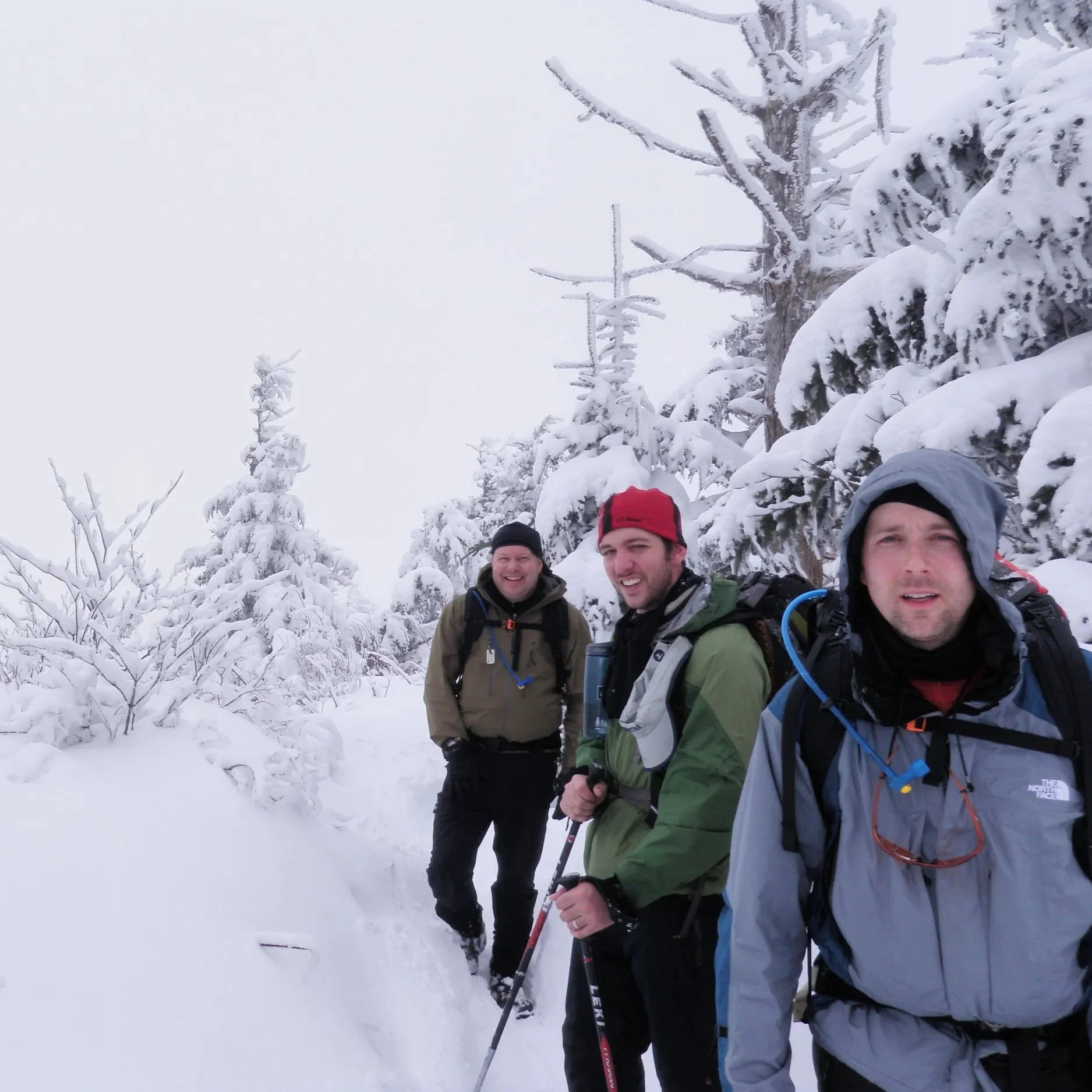
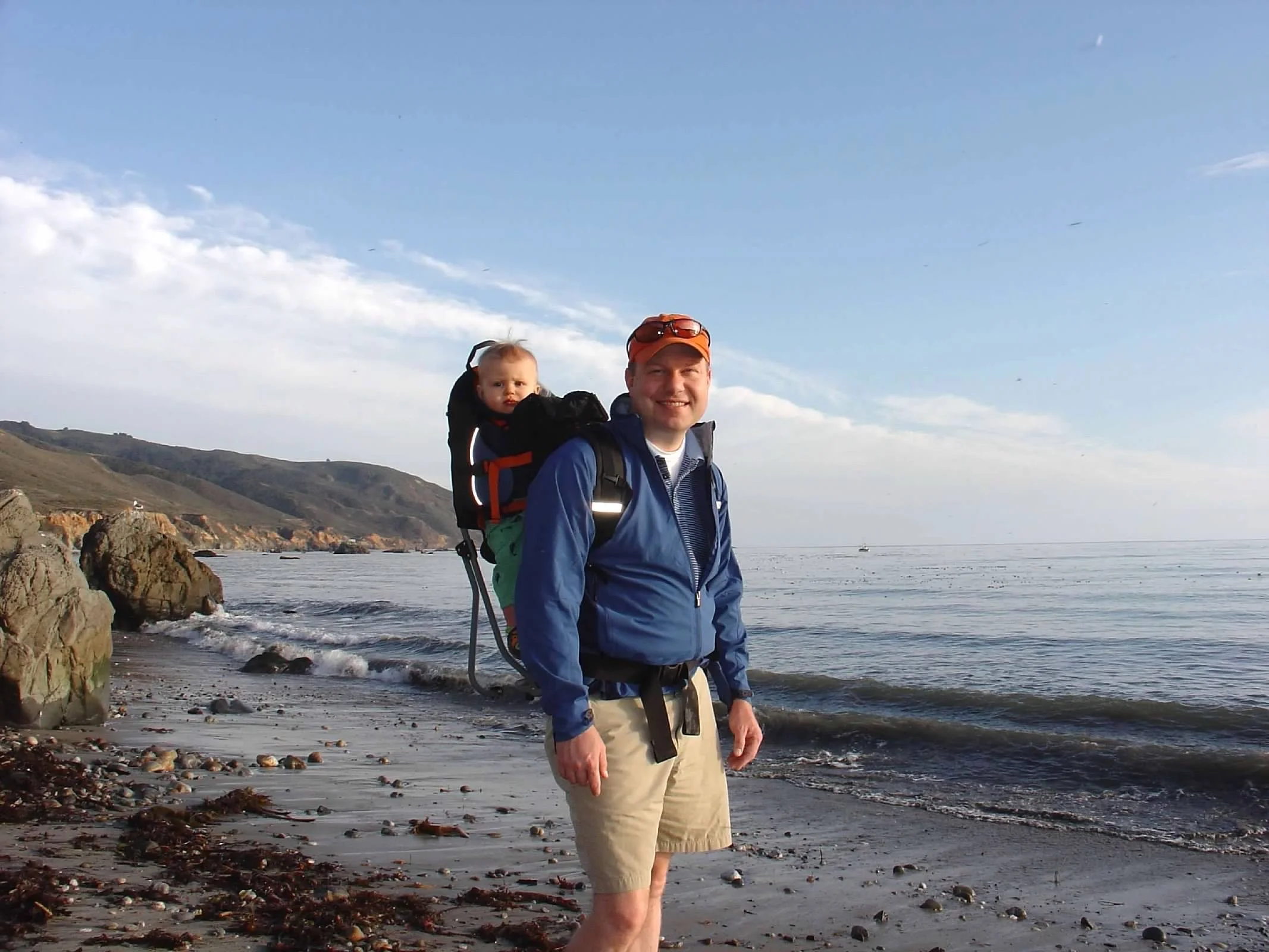
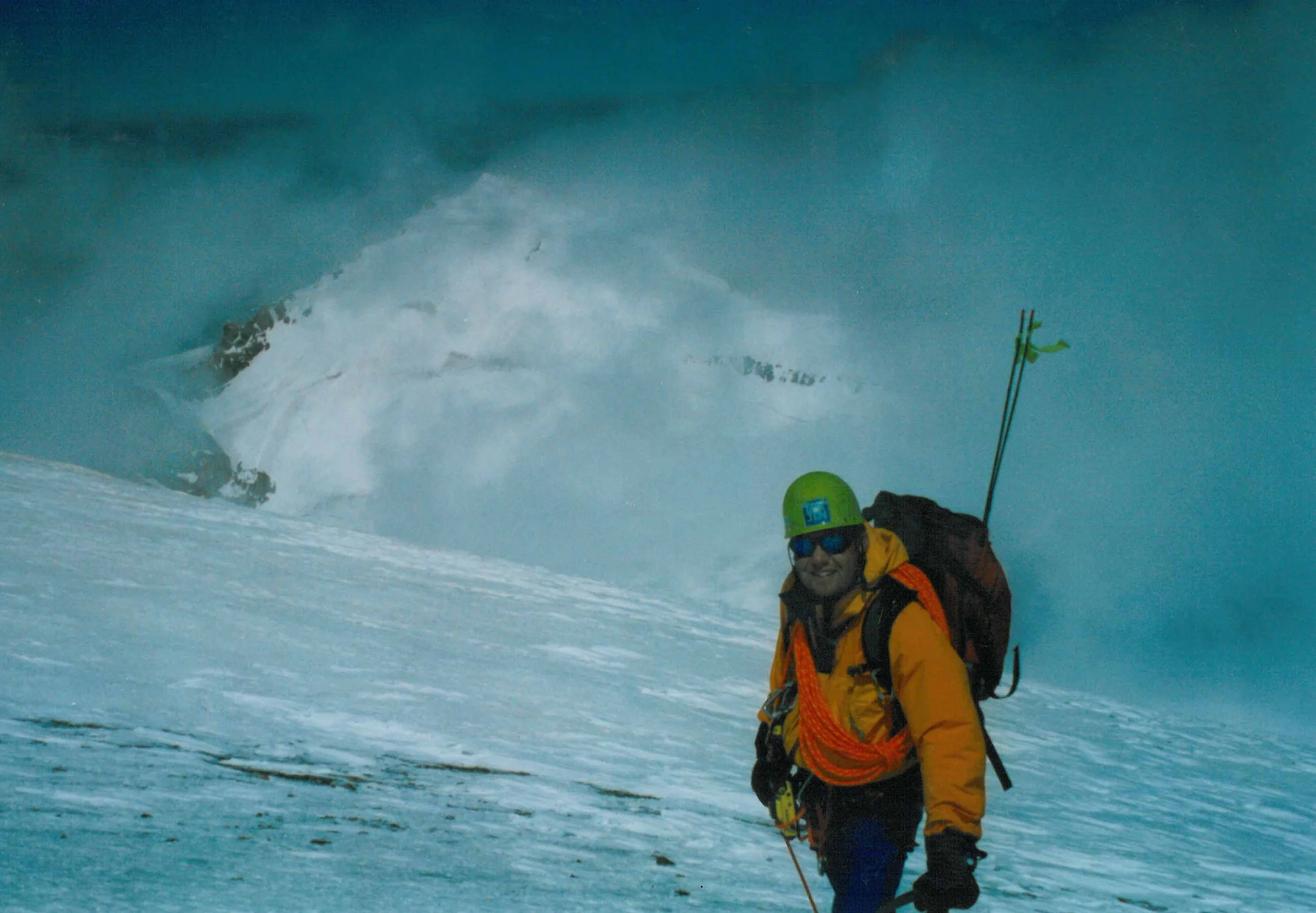
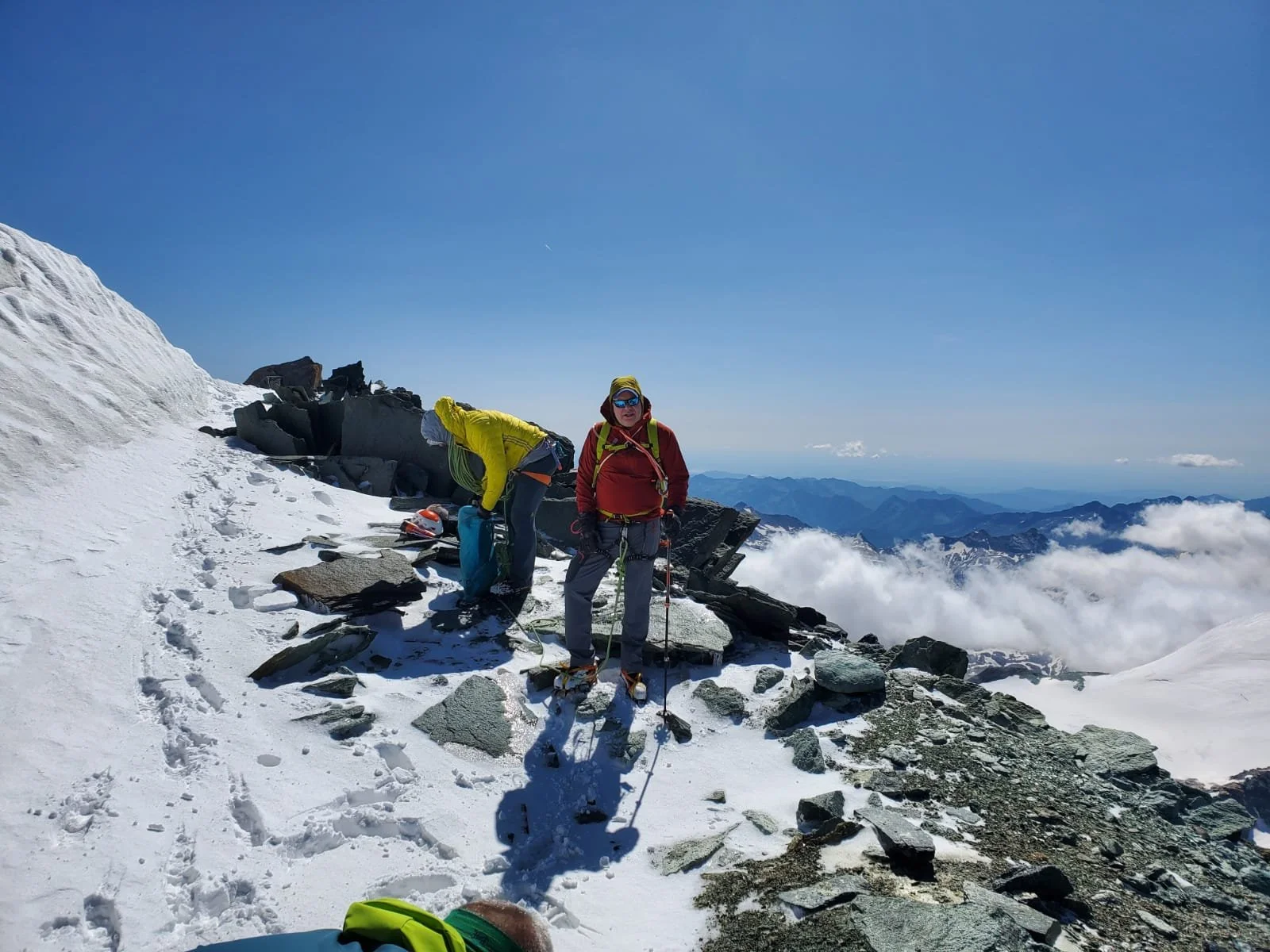
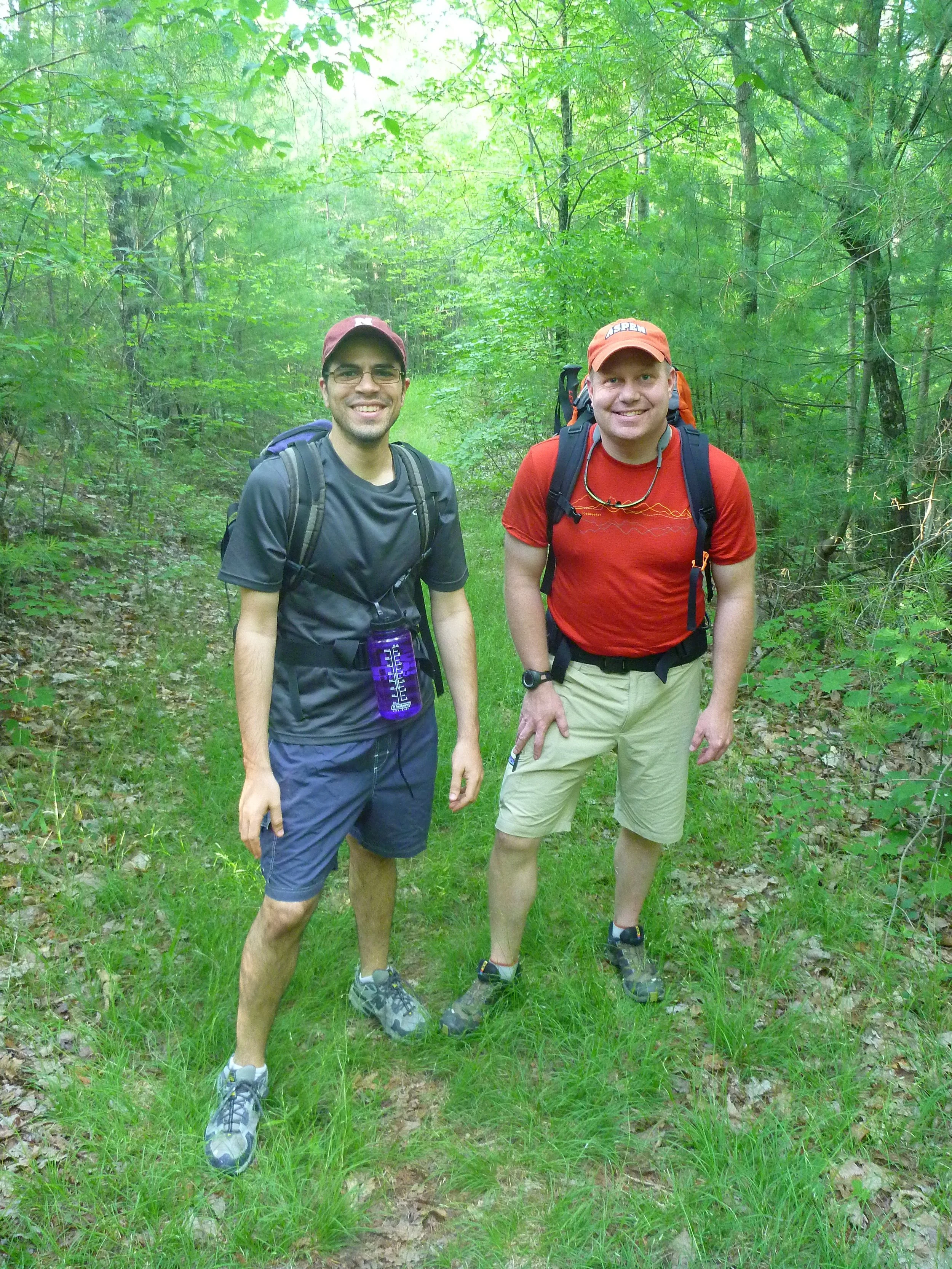
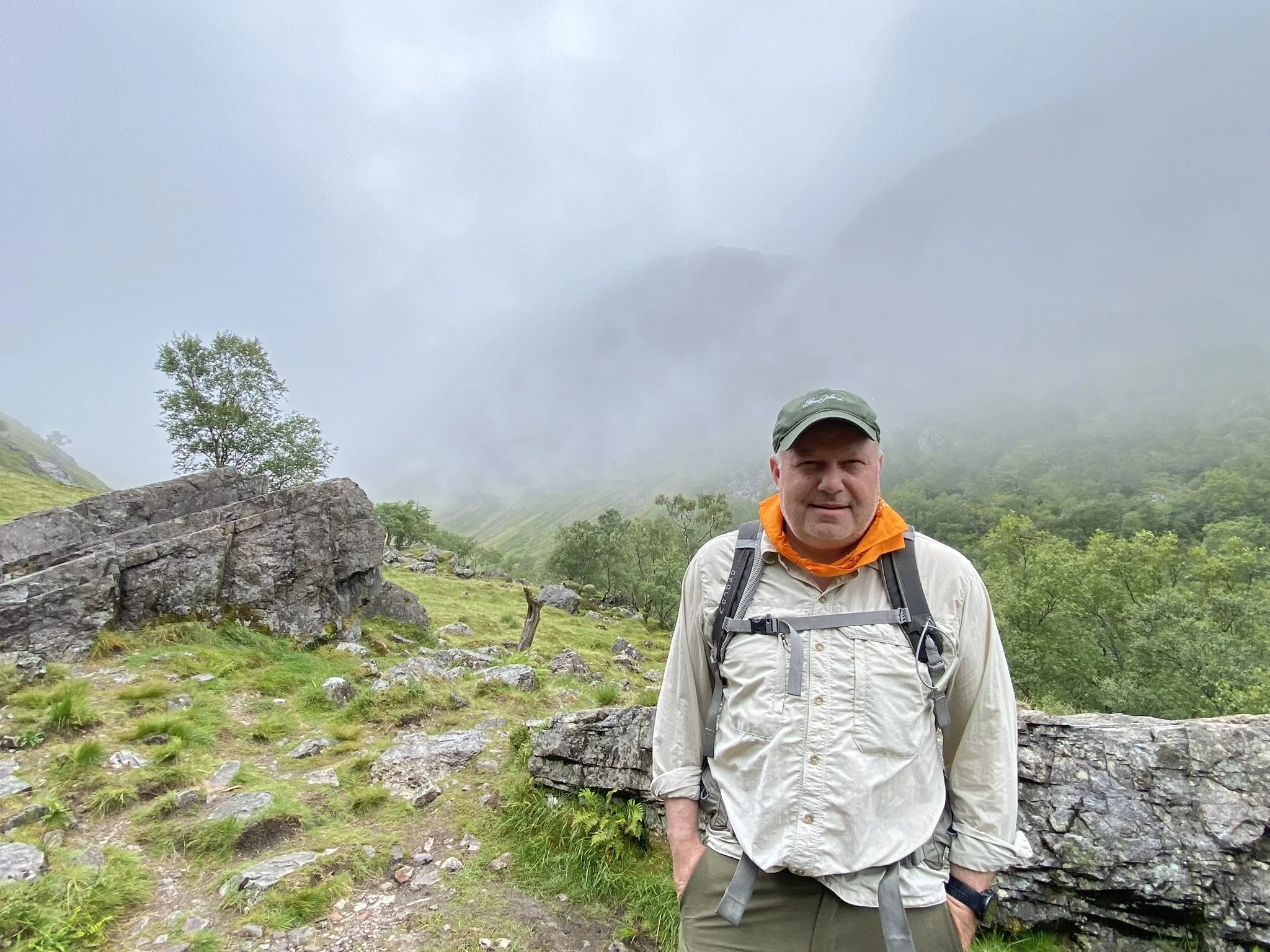
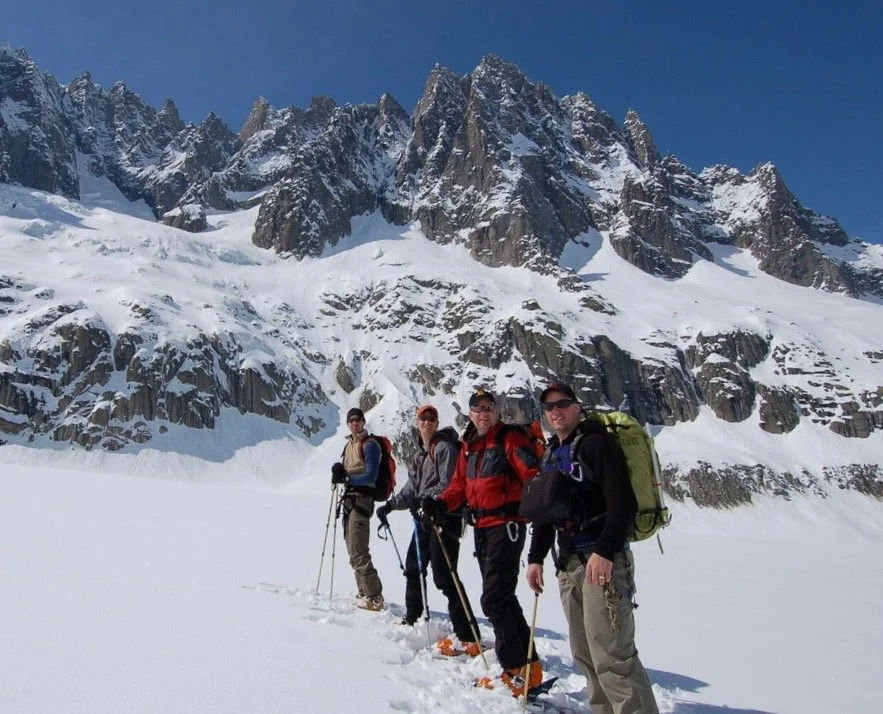
My love of adventure started in Boy Scouts and has continued throughout my life. Guiding out West put me in a high-stakes leadership role where I was in charge of people’s lives during a trip. I wasn’t being trusted with that level of responsibility at work in my late twenties, so the experience had a major impact on the way I think about risk. I’m okay with taking risk, but I want to control it. When we design a building, I think about it like we’re packing for a long-term expedition. If we don’t bring enough, we won’t have what we need at the end of the trip. If we bring too much, the pack becomes too heavy to carry up the mountain. I have to think about who’s going to be a good fit for the project, what we’re going to have to accomplish, and the steps we’ll need to take to succeed.
Is there a specific project you’ve worked on that stands out as particularly meaningful?
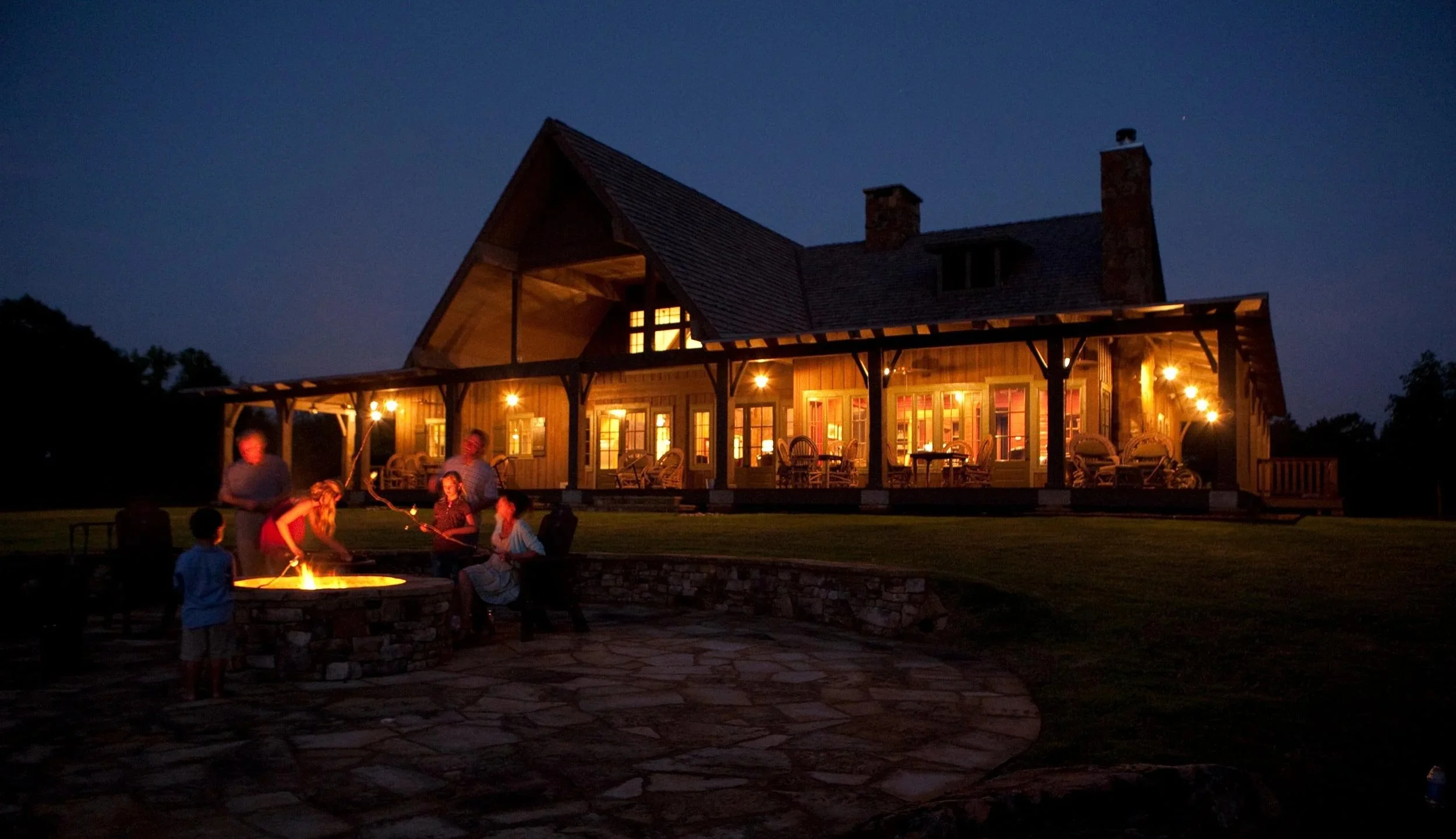
One project that was really exciting for me was Blalock Lakes. In the mid-2000s, developers had realized people would pay a premium to live near golf-course greenspace. Cousins Properties applied a similar idea to a shooting-oriented club for non-golfers. Niles knew I was a shooter and an outdoors person, so when the client asked him to recommend an architect with country club experience, he sent me. The fact that I was a member of the club they loved and I could show up and break a clay gave me instant credibility I wouldn’t have had otherwise. I wasn’t a partner when I went into that first meeting, but I think my work on Blalock Lakes helped me prove myself to Niles.
You’re currently involved with several organizations and boards. What do you gain as a leader on these committees?
Most of the things I am a member of are things that Niles got a lot of value out of throughout his career. One of the biggest ones has been YPO, Young Presidents’ Organization, which has provided me with a lot of connections to other leading executives in Georgia. Another aspect of YPO I enjoy is my chapter’s forum; our small group of eight executives has been meeting monthly for twelve years to discuss our businesses and ‘war game’ each other’s problems. It’s been tremendously valuable to have a group of advisors I can lean on when I need help thinking through solutions.
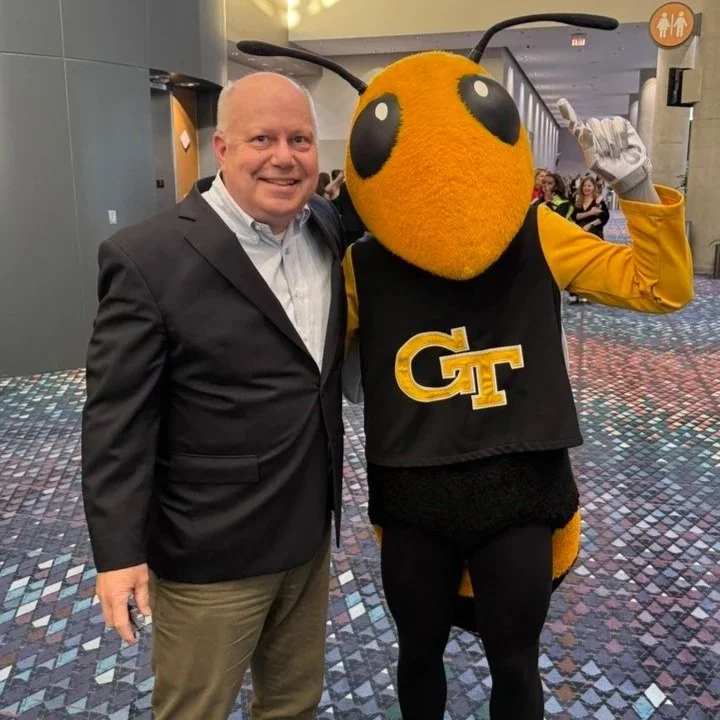
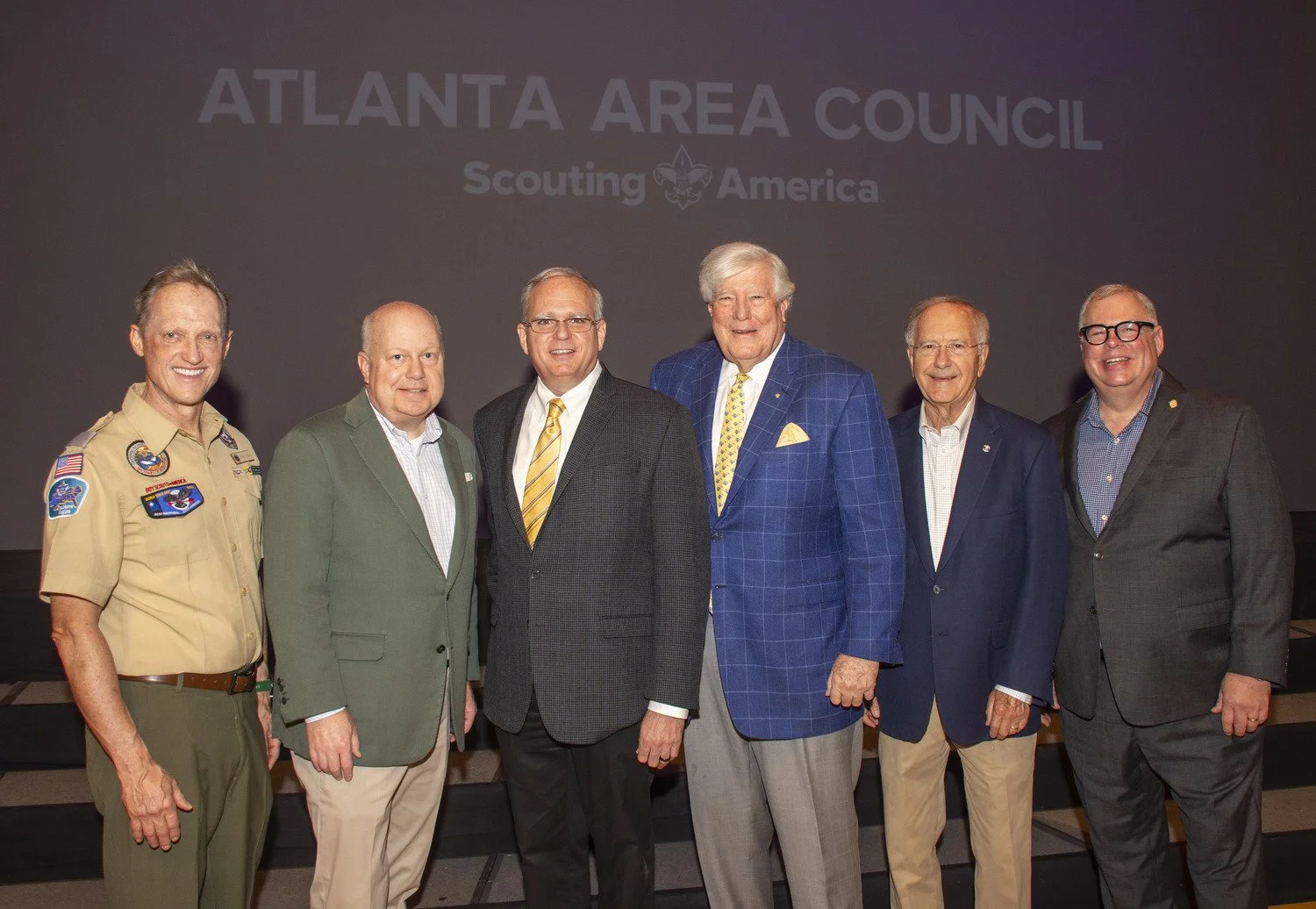
I was asked to join the Georgia Tech College of Design Advisory Board in 2022, which led to the establishment of the Bolton Housing Studio and helped raise awareness of NBA at Georgia Tech. I’m also involved with Rotary Club of Atlanta, Buckhead Coalition, and Urban Land Institute. With ULI, I teach an immersive learning experience called Urban Plan; using the Socratic method, we perform hypothetical development scenarios at universities and high schools where students have to think about things like density, profitability, and parking. It gives students an introduction to real estate development and helps them decide whether it’s something they’re interested in pursuing.
Is there someone who stands out as a mentor to you? What have you learned from them?
“The client can’t hire you if they don’t know you.”
I’ve had many great mentors over the years, and those voices still echo in my head. Jeff Allen and Niles Bolton both stand out. Jeff taught me how to really listen for subtext in OAC meetings. Niles’s focus on long-term, mutually beneficial client relationships has been super impactful; one of his philosophies is that the client can’t hire you if they don’t know you, and so his community involvement as an ambassador for the firm has been an incredible example of what to do right in order to get hired again and again.
What advice would you give to someone just starting out in architecture or joining NBA? What qualities are you looking for in future leaders?
Innovation always comes from the bottom. I think young people who have insights into new technologies need to look around, figure out what’s not being done effectively, and help us do it better. When you get an opportunity, make the most of it. If you get handed a site plan or a design exercise, dig into it and make it everything that you can because when we see hustle, drive, and innovation, you will be given more opportunities to grow.
For future leaders, I look for technical competence, confidence, and the ability to make friends. Being able to actively listen and then explain what we’re doing and why we’re doing it is important too. Also, the ability to take criticism and put your ego aside in favor of others’ ideas is a great quality.
Can you talk about your role in NBA’s 2020 acquisition of Dye Aviation?
“We’ve built a talented, well-rounded team and a sustainable business, and we’re excited to continue our work in this sector.”
In 2017, Niles told me Mercer Dye was interested in joining NBA, so I started exploring what that partnership could look like. Initially, we worked as his production team, learning from Mercer’s 40 years of combined experience in construction, design, and the management, operation and ownership of FBOs. By late 2019, we had defined the roles and built a studio around Mercer, eventually leading to NBA’s acquisition of Dye Aviation Facilities Architecture. We used NBA’s hospitality experience to help change the typical definition of an aviation hangar; instead of a metal building at the end of the runway, we focused on adding a level of comfort and sophistication in our designs. Next summer will be ten years of working with Mercer, and it’s been incredible to see the department grow. We’ve built a talented, well-rounded team and a sustainable business, and we’re excited to continue our work in this sector.
How do you spend your time outside of work? What do you do for fun?
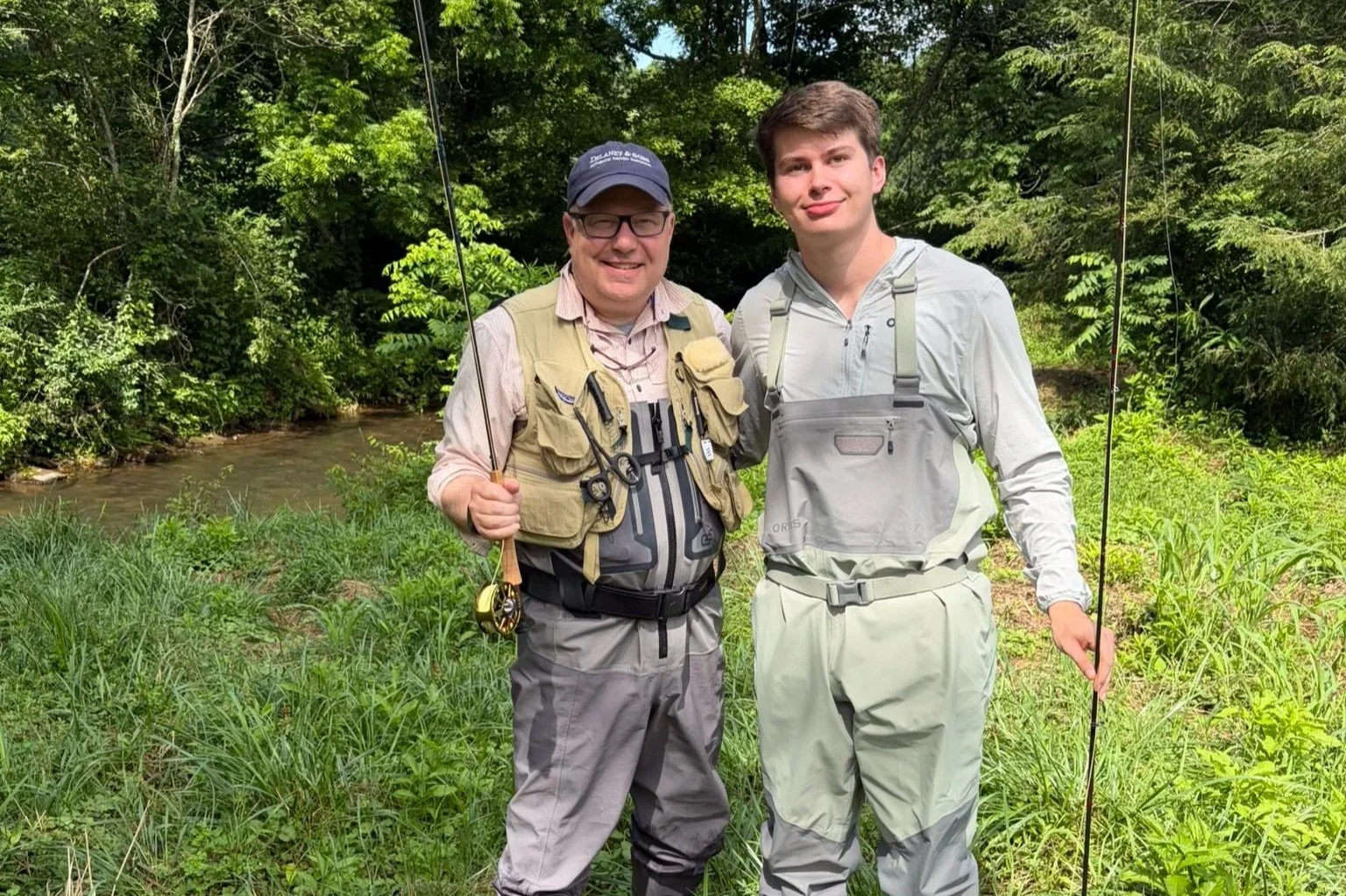
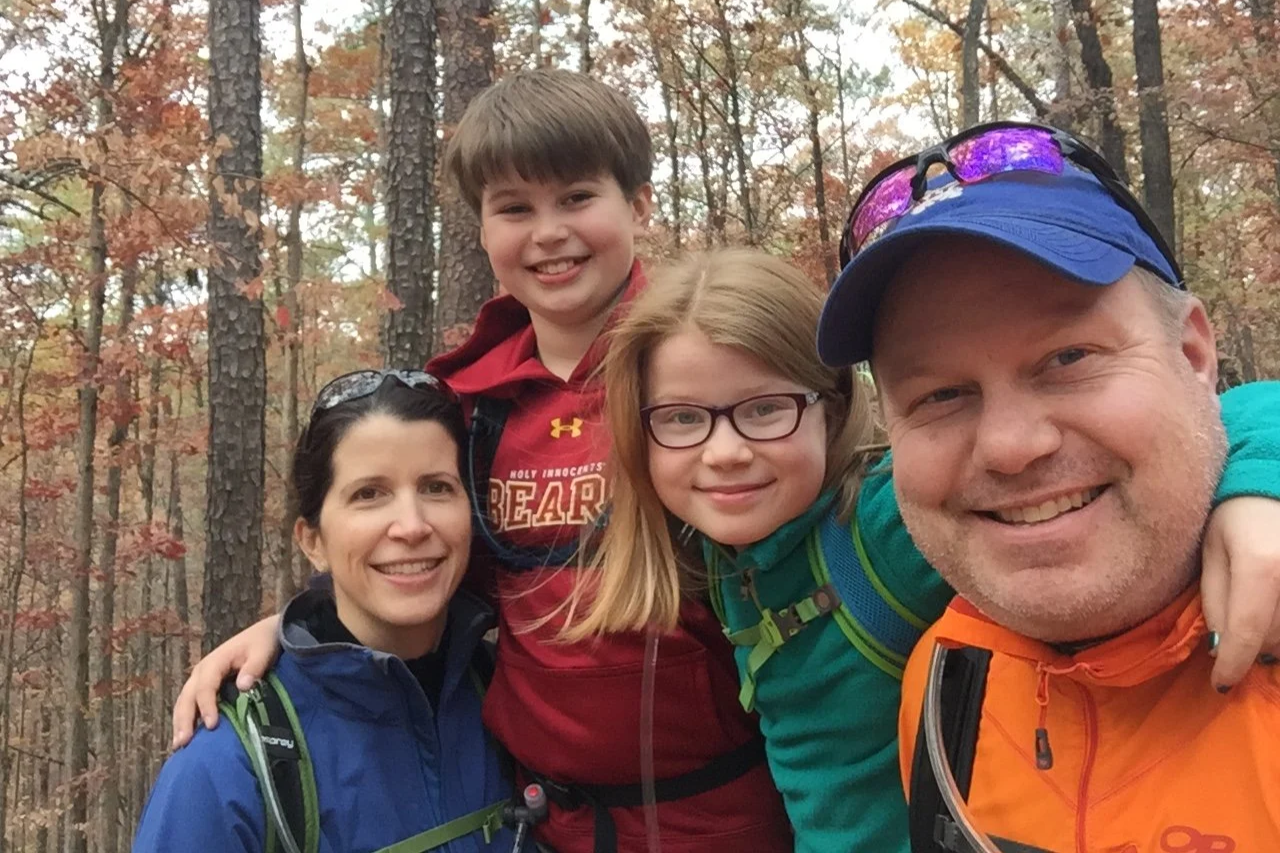
I’ve restarted fly fishing this summer with my son, but for the past twenty years, hunting and shooting have been my main hobbies. I got involved with skeet shooting because Mary Agnes was a big shooter when we first got together. We started teaching our kids, Charlie and Margaret, when they were little by letting them push buttons. It was really exciting when Charlie turned five and had learned his numbers enough to do more than just mash all the buttons at the same time.
On weekends, I do a lot of work for SOC-F, Special-Operations Care Fund, which is a charity I co-founded in 2013 to help special operations members and their families who are suffering physical or mental trauma after serving. We help cover medical care, PTSD treatments, and marriage counseling.


Interested in growing your career at NBA? Check out our careers page for more information.